
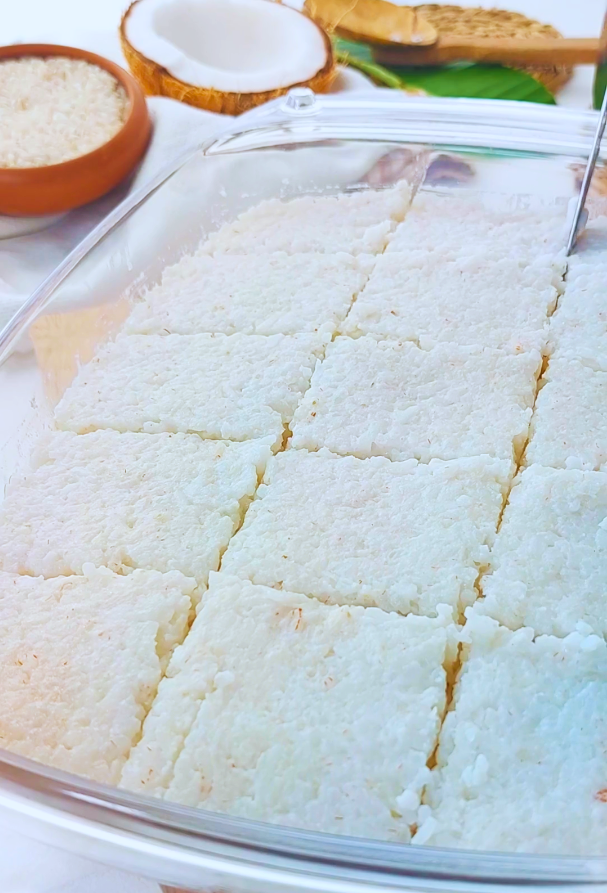
Every meal tells a story, and there's no better place to start than with the food of home. To kick off our new series, we're beginning with the dish that marks our milestones and our mornings: kiribath, or milk rice.
What is kiribath?
Kiribath is a traditional Sri Lankan dish where white rice is simmered in thick coconut milk until it turns soft, creamy, and rich. It's the first thing we eat to mark celebrations, new beginnings, and good fortune.
When is kiribath served?
You'll most often see it on the first morning of the month and during the Sinhala and Tamil New Year. It also sits at the centre of life's big moments: weddings, birthdays, and a baby's first taste of solid food. If there's a reason to celebrate, there's usually a plate of kiribath nearby.
Which rice works best?
Short-grain white rice, traditionally Kekulu, is the one to reach for. Its naturally starchy, sticky texture lets the grains soak up the coconut milk and hold together in those neat diamond shapes once set.
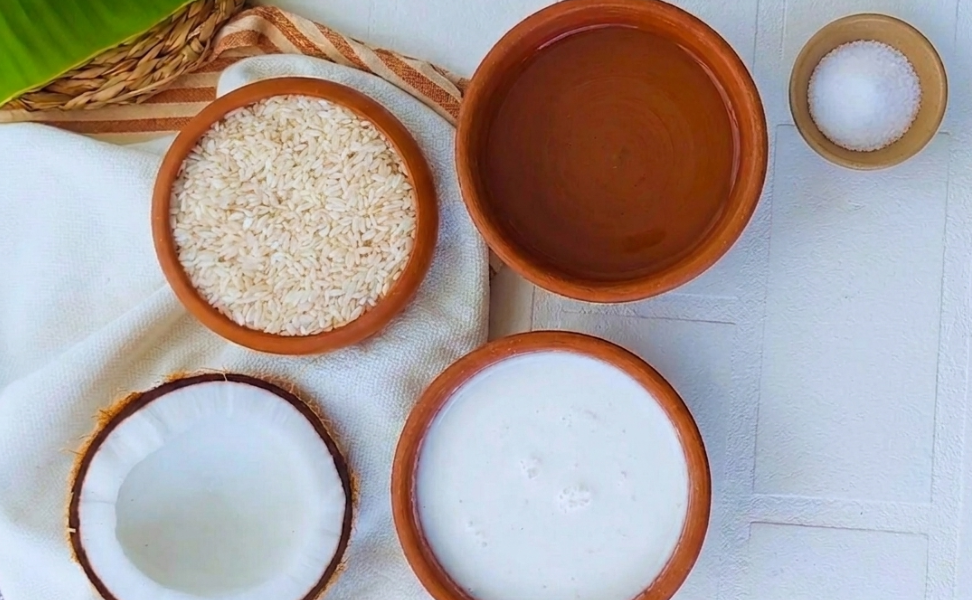
What you need to make kiribath
Kiribath comes down to two things: good coconut milk and the right rice. The ingredient list is short.
How to make kiribath, step by step
1. Wash the rice
Rinse the rice until the water runs clear. This rinses off the loose surface starch and keeps the flavour clean. Tip it into your pot.
2. Boil the rice
Add enough water to cover the rice by about an inch and a half, then cook over medium heat until tender. You don't need to be exact here. Unlike most rice dishes, you actually want this slightly overcooked and soft so it can hold all that coconut milk.
3. Add the coconut milk
Once the water has been absorbed and the rice is soft, stir the salt into the coconut milk, lower the heat, and pour it in.
Tip: Keep stirring as you go. This works the milk into every grain and gives you that smooth, even creaminess.
4. Cook to a creamy finish
Carry on cooking for a few more minutes on low heat. It's ready when the coconut milk has been absorbed and the rice turns thick, sticky, and holds together.
5. Shape and cut
While it's still hot, spread the rice onto a greased plate or tray. Press the top flat with a piece of banana leaf or the back of a spoon until it's smooth & glossy. Let it cool until it firms up, then slice it into the classic diamonds, plain squares, or any shape you like. That's it: your kiribath is ready for the table.
Can you make kiribath any time?
Of course. There's no rule that says you have to wait for an occasion. It's good whenever you want something comforting.
What to serve with kiribath
There's a pairing for every mood, whether you want spicy, savoury, or sweet:
Share it with the people you love, or keep a quiet bowl for yourself. Either way, we hope every bite tastes like home.